
The Norwegian Cruises New Vision - Creative Direction
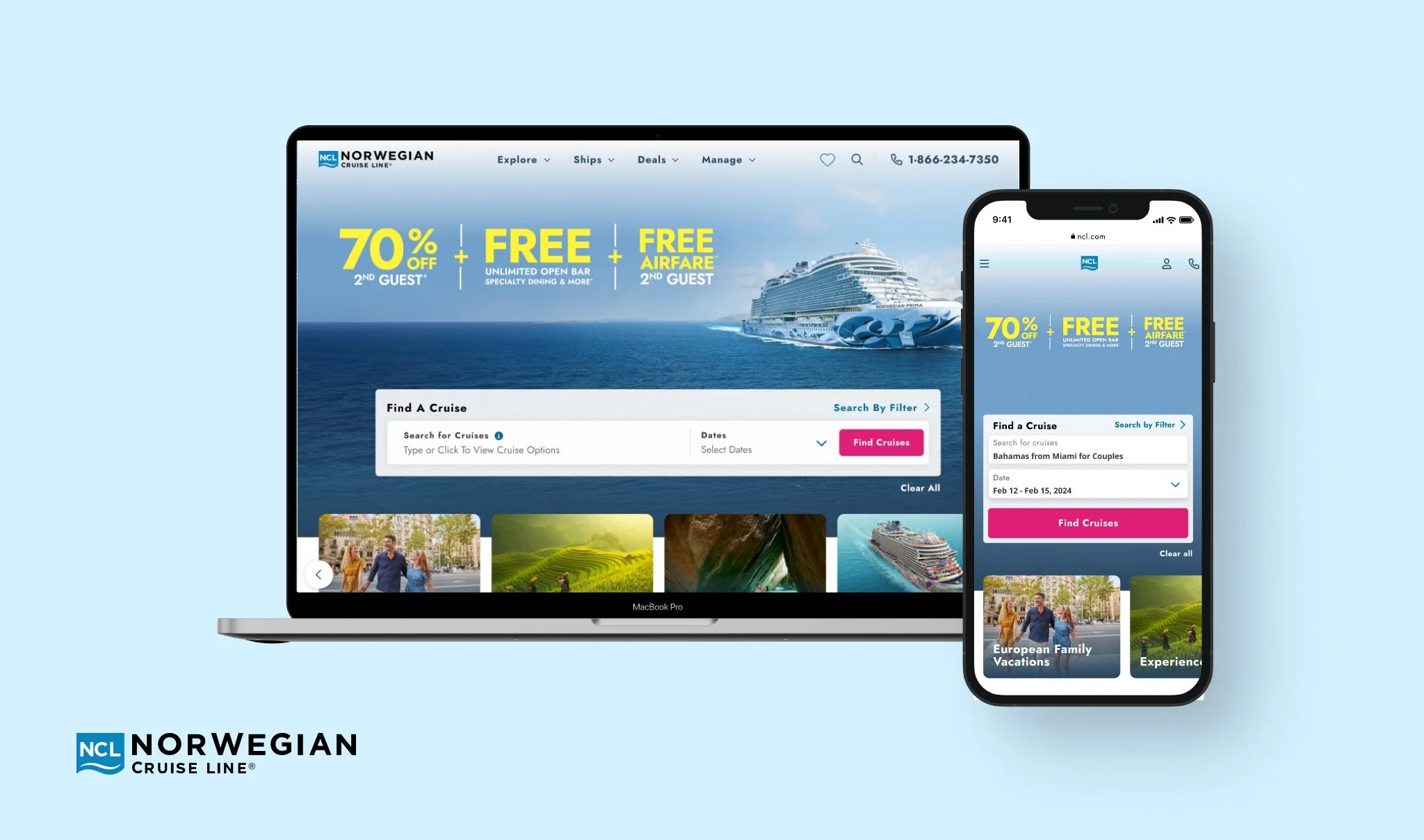
Led the North Star UX vision for a leading cruise brand, aligning executives and cross-functional teams through design thinking workshops to uncover key pain points and opportunities, and translating insights into the strategic and visual direction for the future web experience.
The Challenge & Involvement
Re-Imaging the Norwegian Cruises website by understanding user personas and business needs, and by validating the experience with real users.
Outcomes: increase conversions in the booking funnel, and reduce users' actions/clicks from searching for a cruise to booking it. Create a seamless, personalized experience for users as we simplify.
Involvement:
- Worked as the design lead on the web redesign of the platform project, coaching other designers, and creating responsive web screens based on user input
- Created the first design system of the platform
Bringing Real Impact to the Booking Experience

The Approach
Design Thinking Methodology
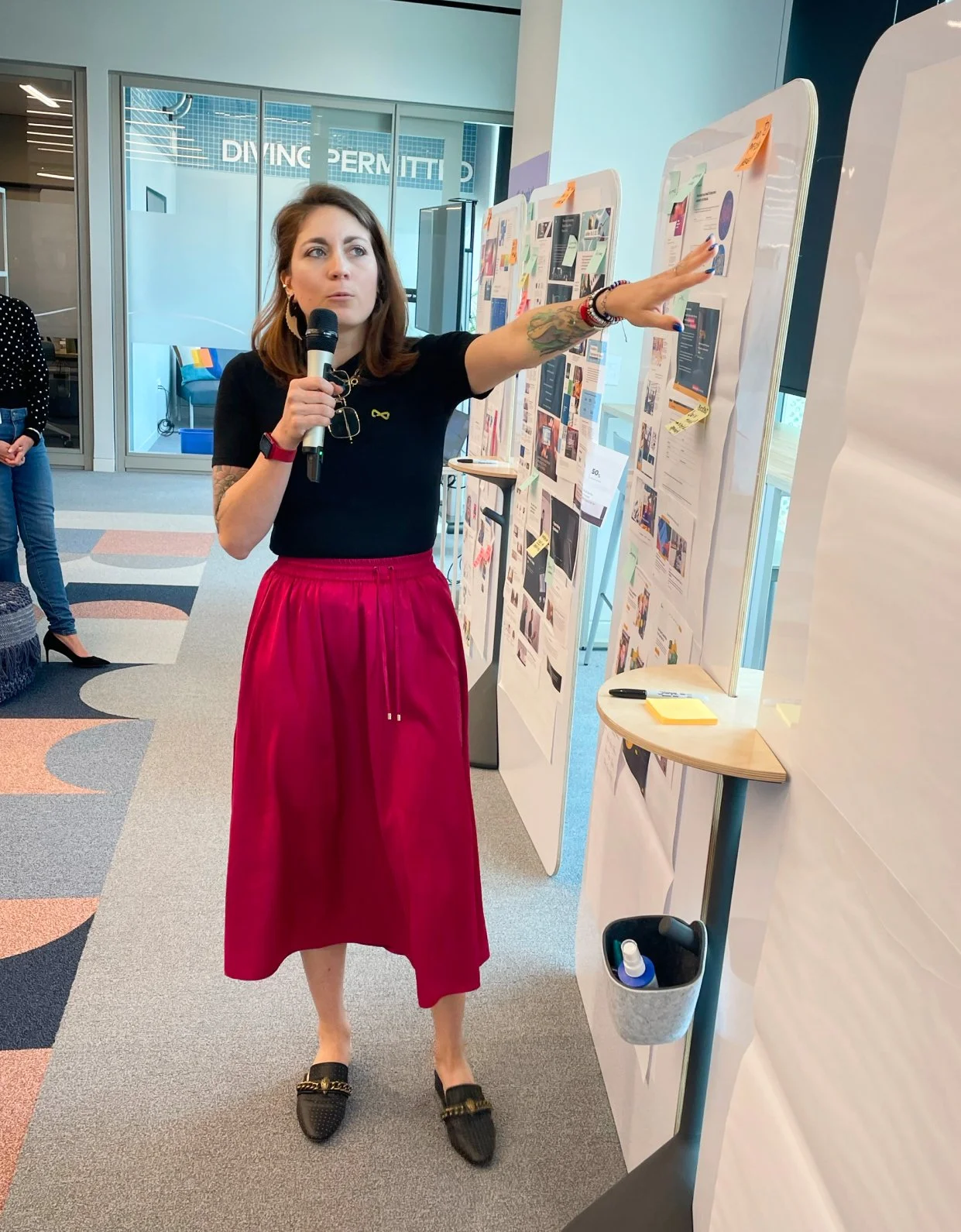
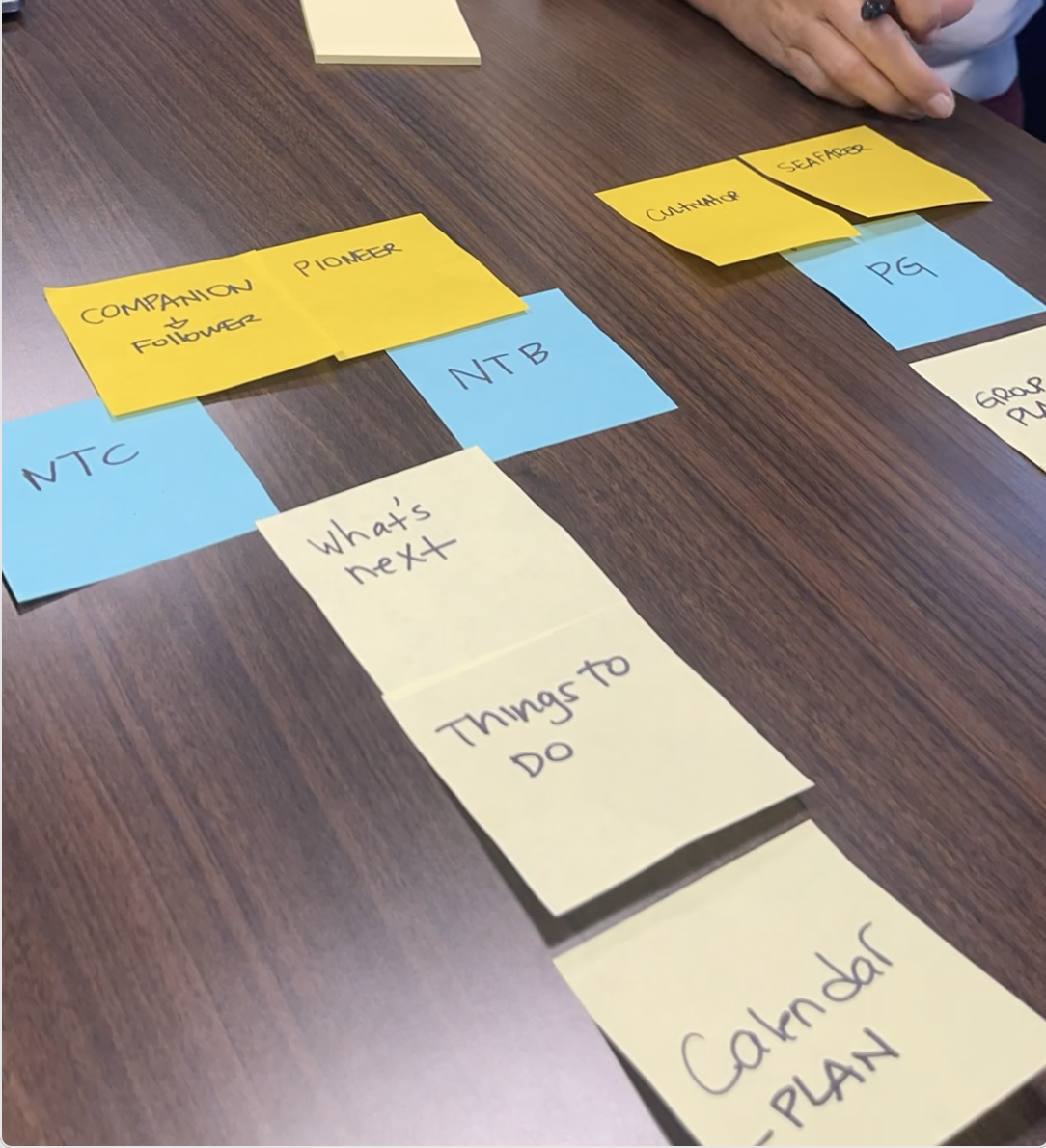
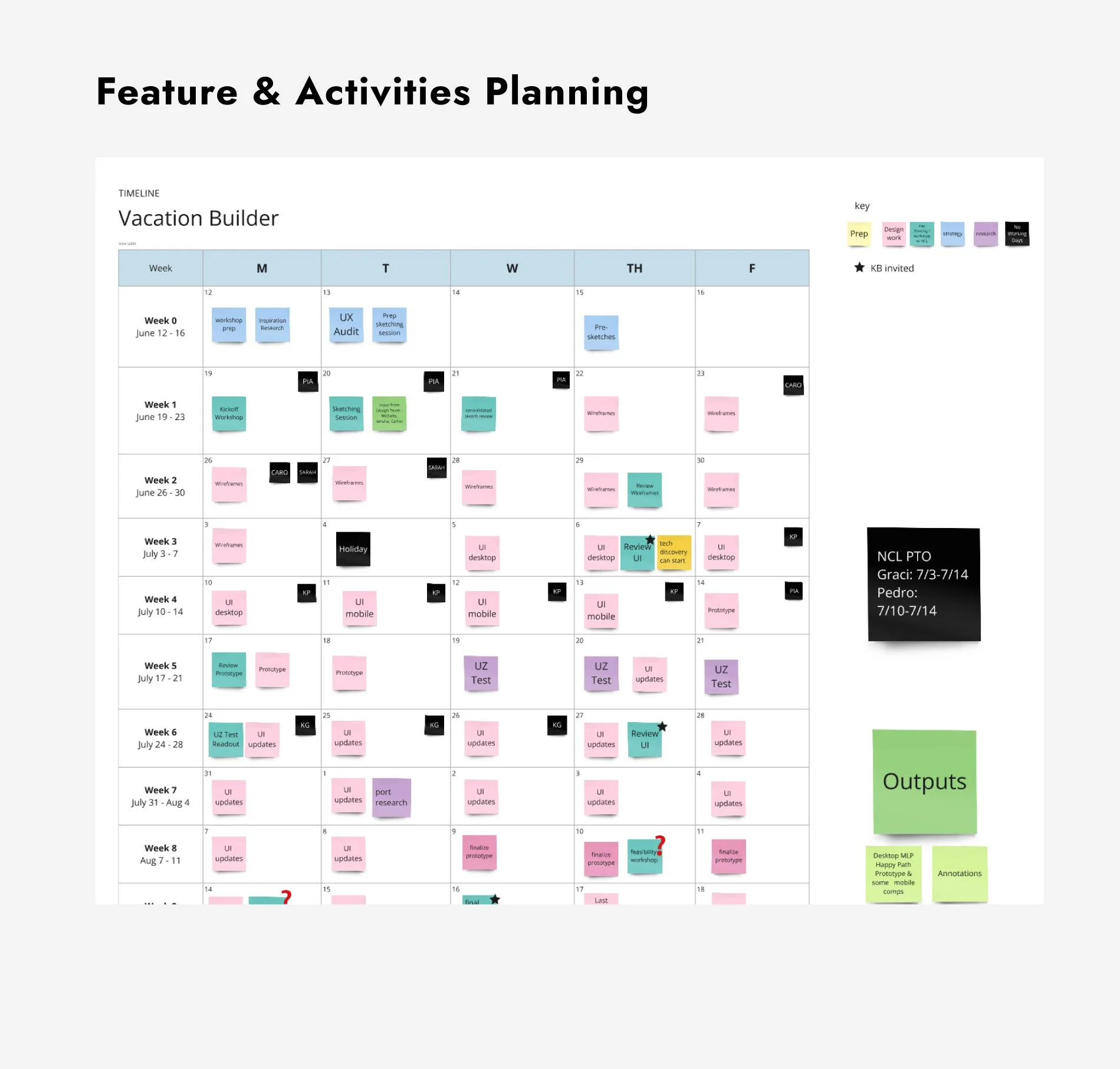
As a consultant for my client: ‘Norwegian Cruise Lines”, it was important to establish the ways of working, being one of them bringing Design Thinking as part of the ideation process which was a NEW concept for them, where we would:
- Create Alignment with the different teams in the project: leadership, product, design, marketing, etc.
- Gather current pain points, insights, business goals, set expectations, and create constant collaborations across
- Validation of concepts that would benefit users and the company's main revenue platform.
- Socialize concepts & results, to start a production/implementation plan with different teams
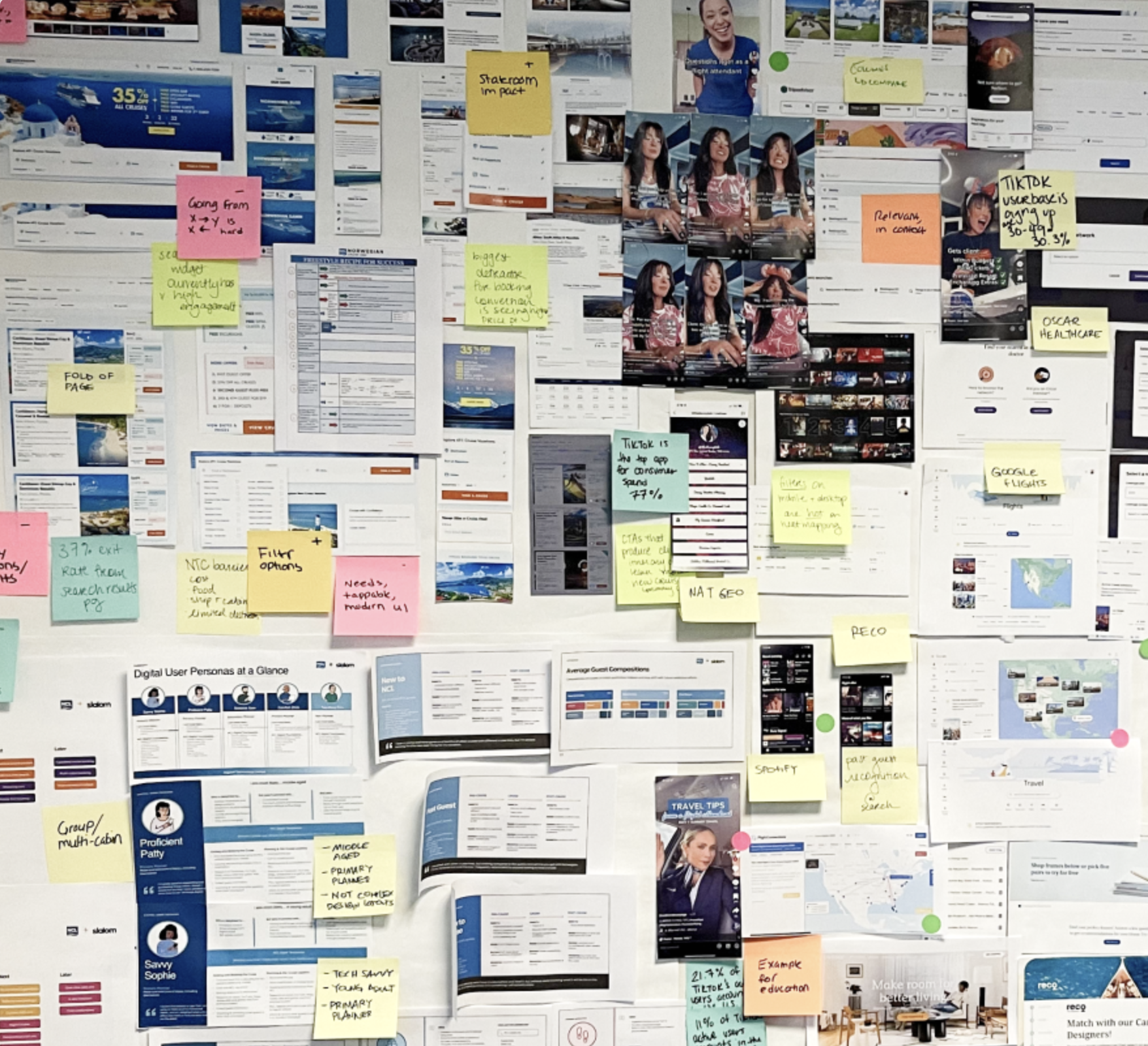
The team and I conducted an extensive and robust discovery phase to dive deeper into the current product and identify overall challenges in the industry. With NCL’s leadership product teams and researchers, we identified key strategies to improve the product experience and encourage new behaviors that will bring to life the new vision for Norwegian Cruise’s main client-facing platform.
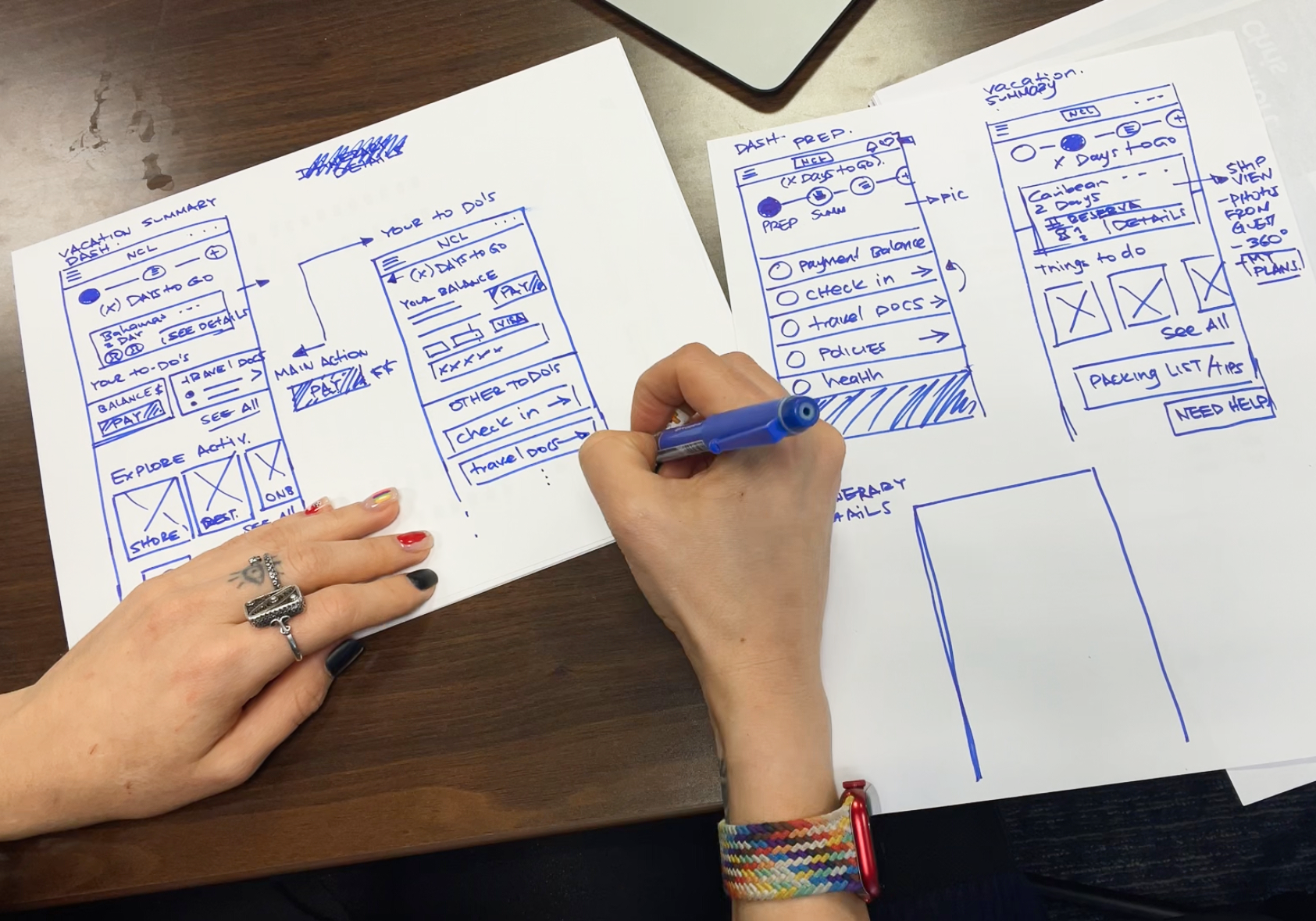
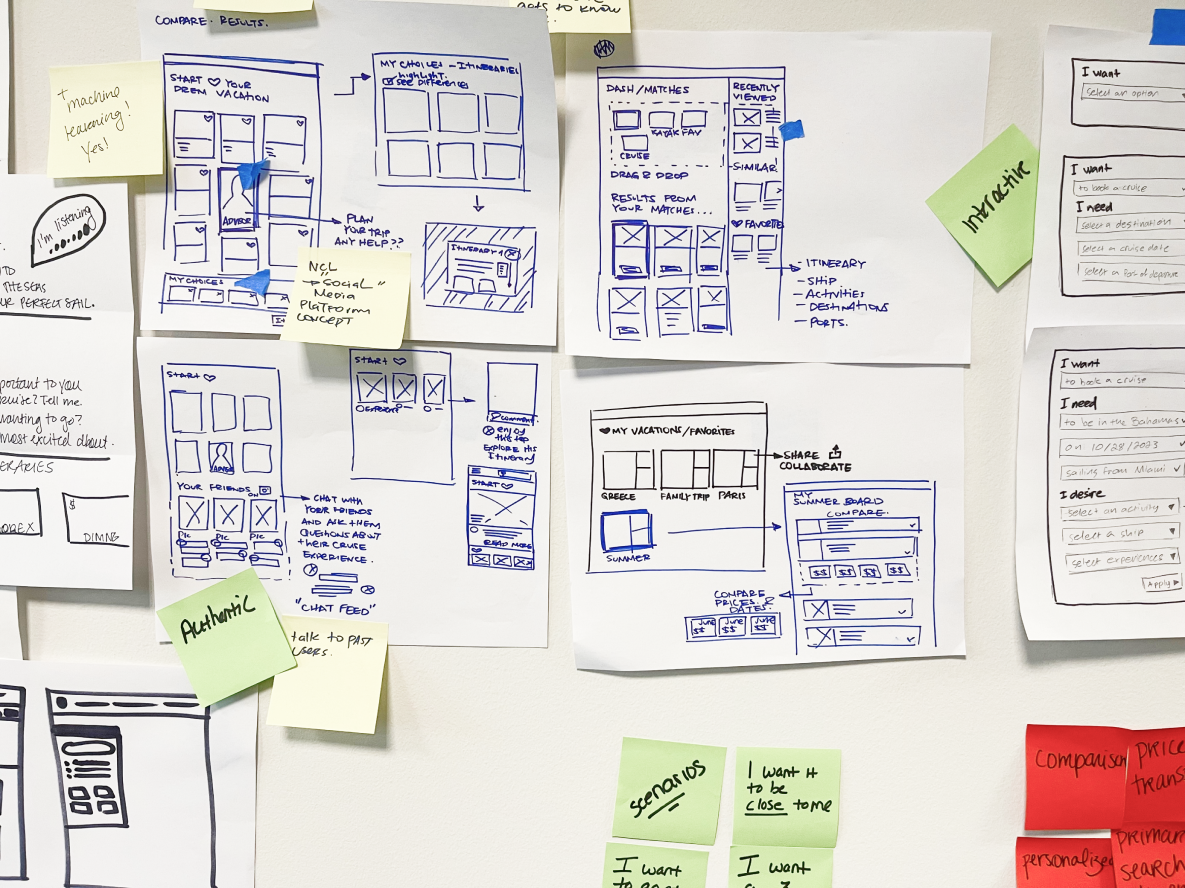
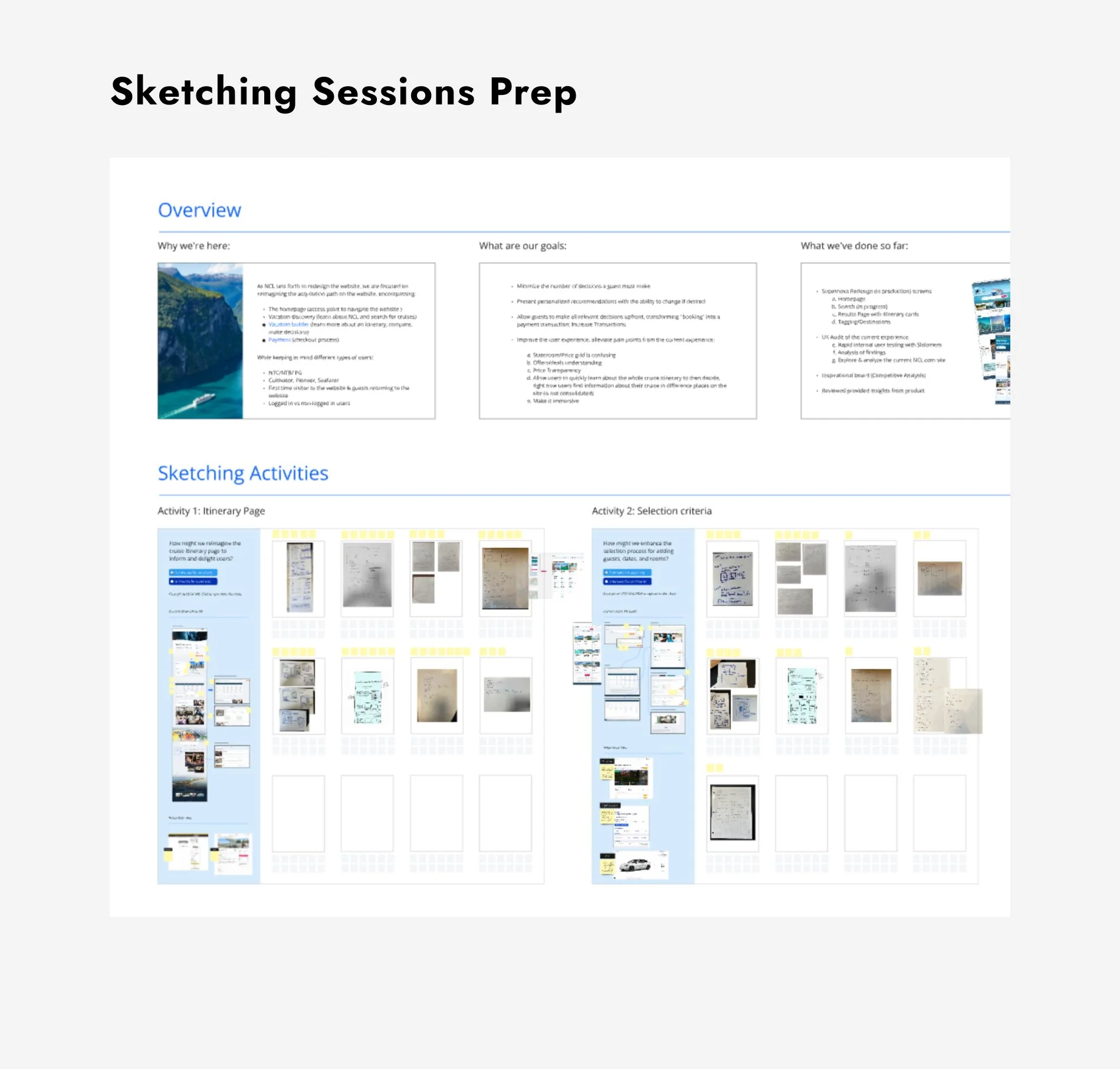
Followed by competitive research, user journeys, sketching sessions, feature explorations, moderated and un-moderated user testing sessions and port testing sessions.
Gather Insights, Ideation, Testing & Iterations

Concept Testing
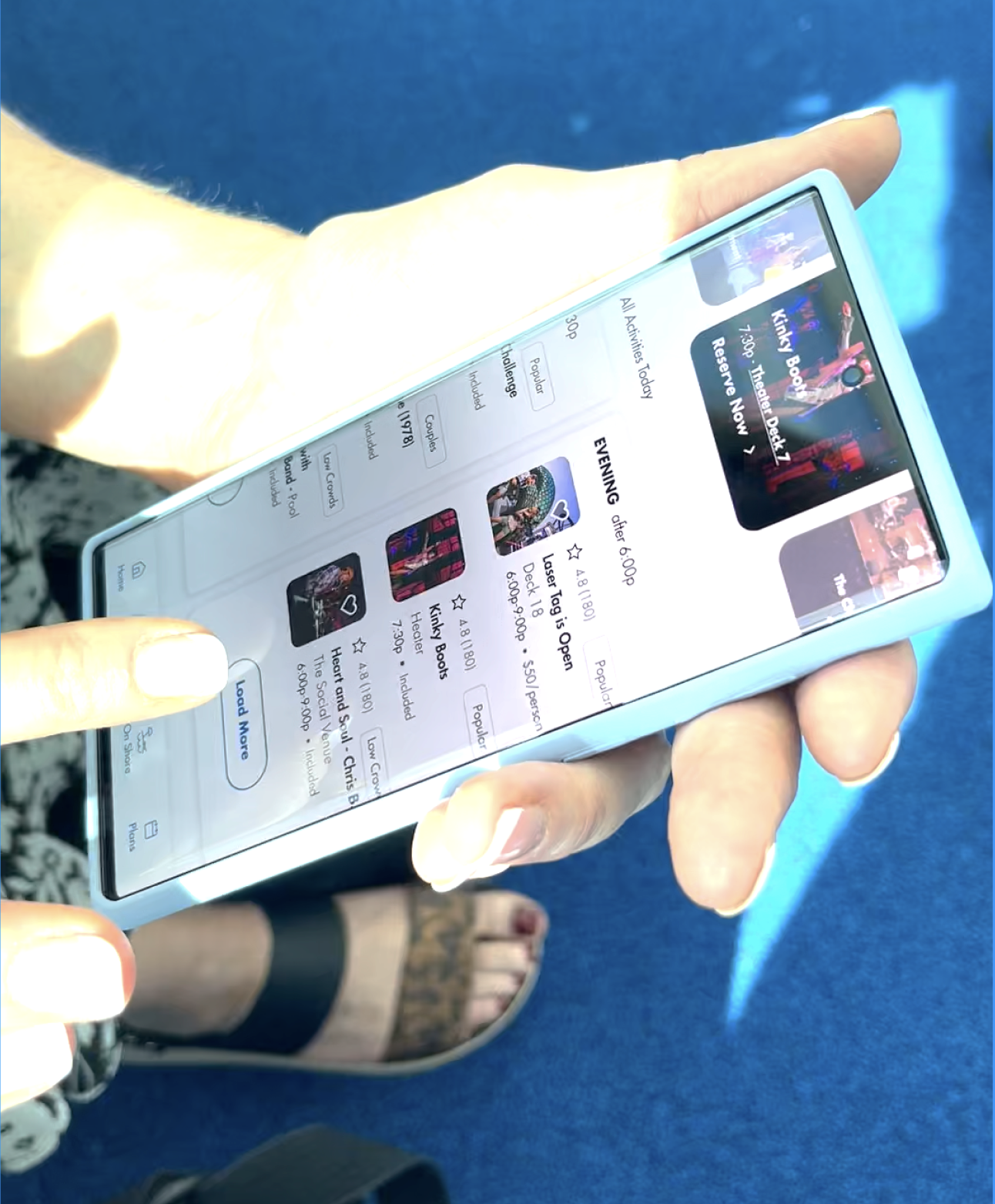
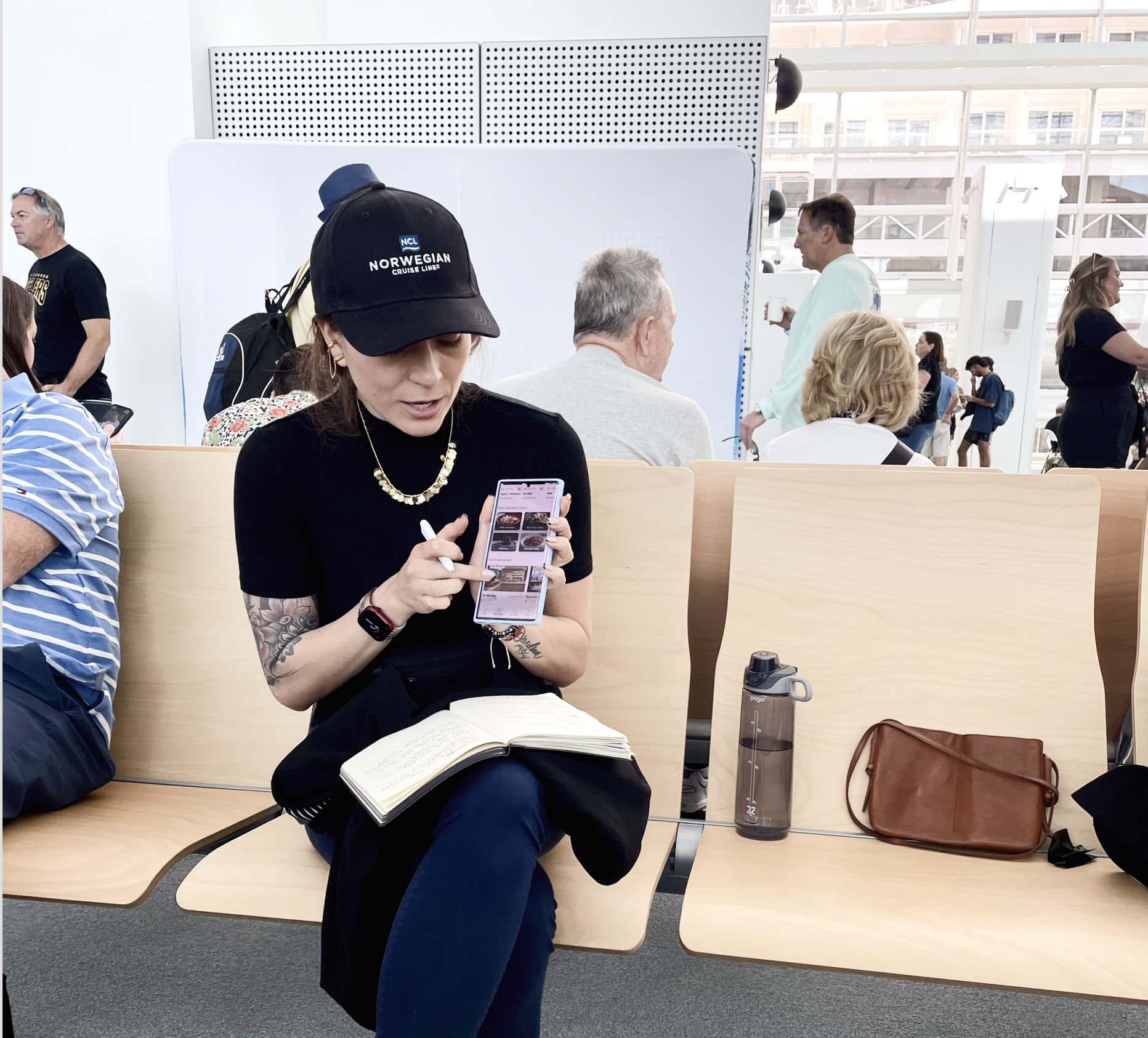
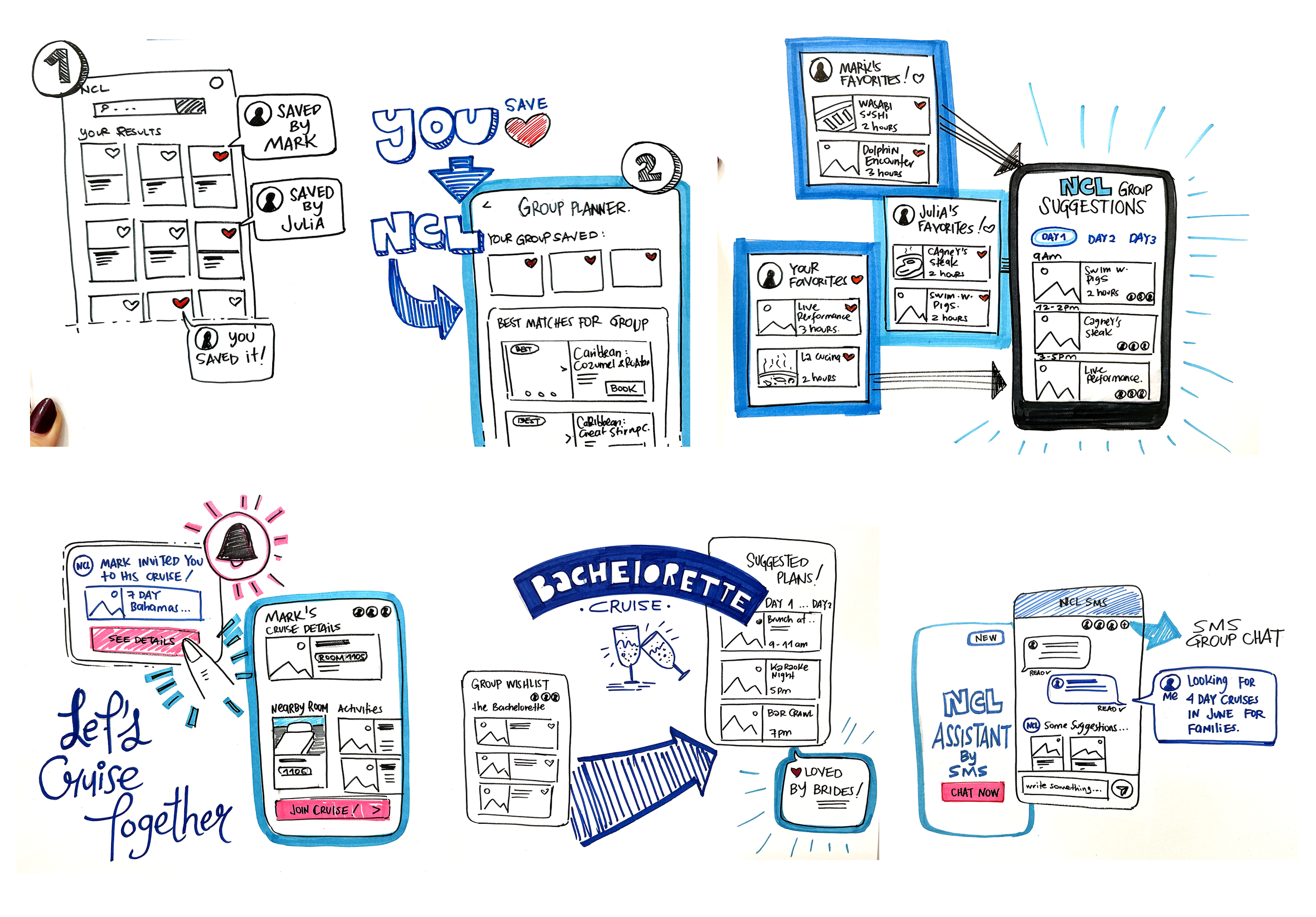
We also brought hand-made sketches to the port to save time in hi-fi mockups to rapidly test concepts we wanted to include in the cruise experience.
The cruisers reaction was great!. We got great insights, and for us a new way to inform the design approach and new timeline to introduce new features with the most relevance for users and clients.
The Future of NCL’s Main Booking Platform
Price Transparency
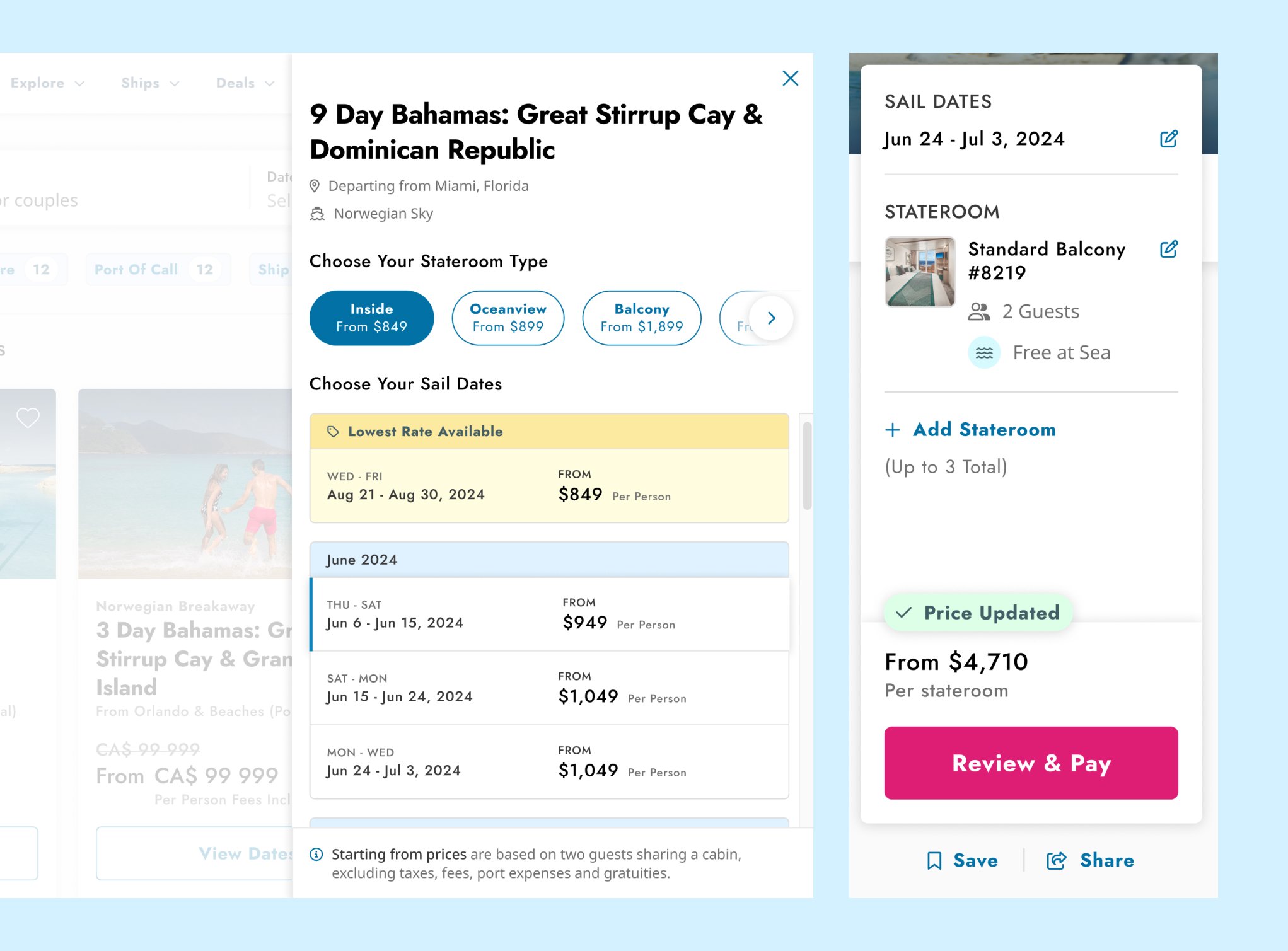
Pain point to solve: What users see is not what they get when it comes to pricing.
We created:
- Clear and user-friendly pricing grid with clear options.
- Side sticky widget with real-time pricing updates as guests make selections
- Clear Add-Ons & Promos that apply to their selections. Informative visual cues.
Reduce Decisioning time
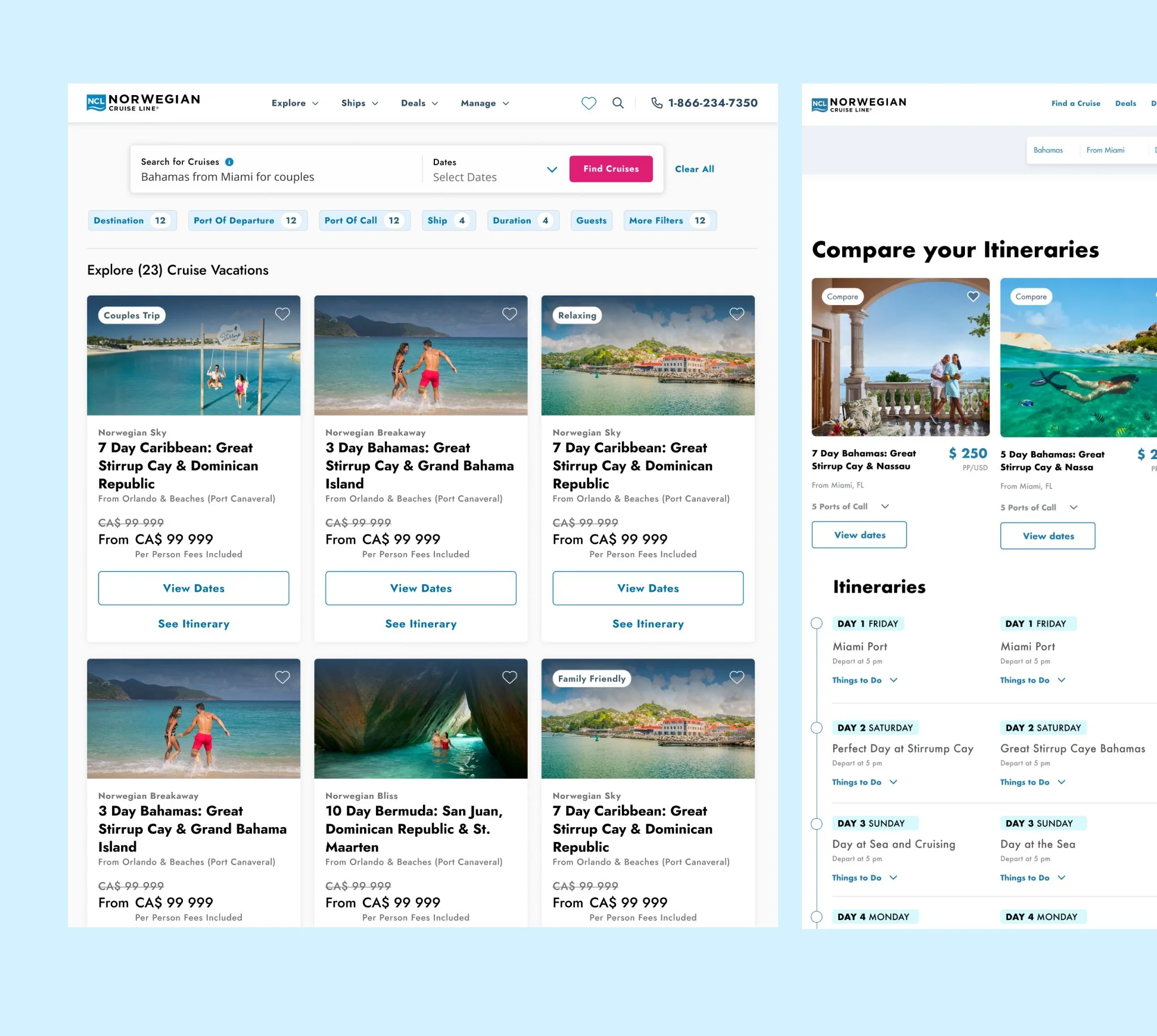
Pain Point to solve: It’s not easy for users to compare and decide on the best itinerary option for them and their group
- We created itinerary cards that can fit more than 1 itinerary within the scroll
- Easier vacation comparison
- Clear card information for users to make decisions, and move forward to the booking funnel.
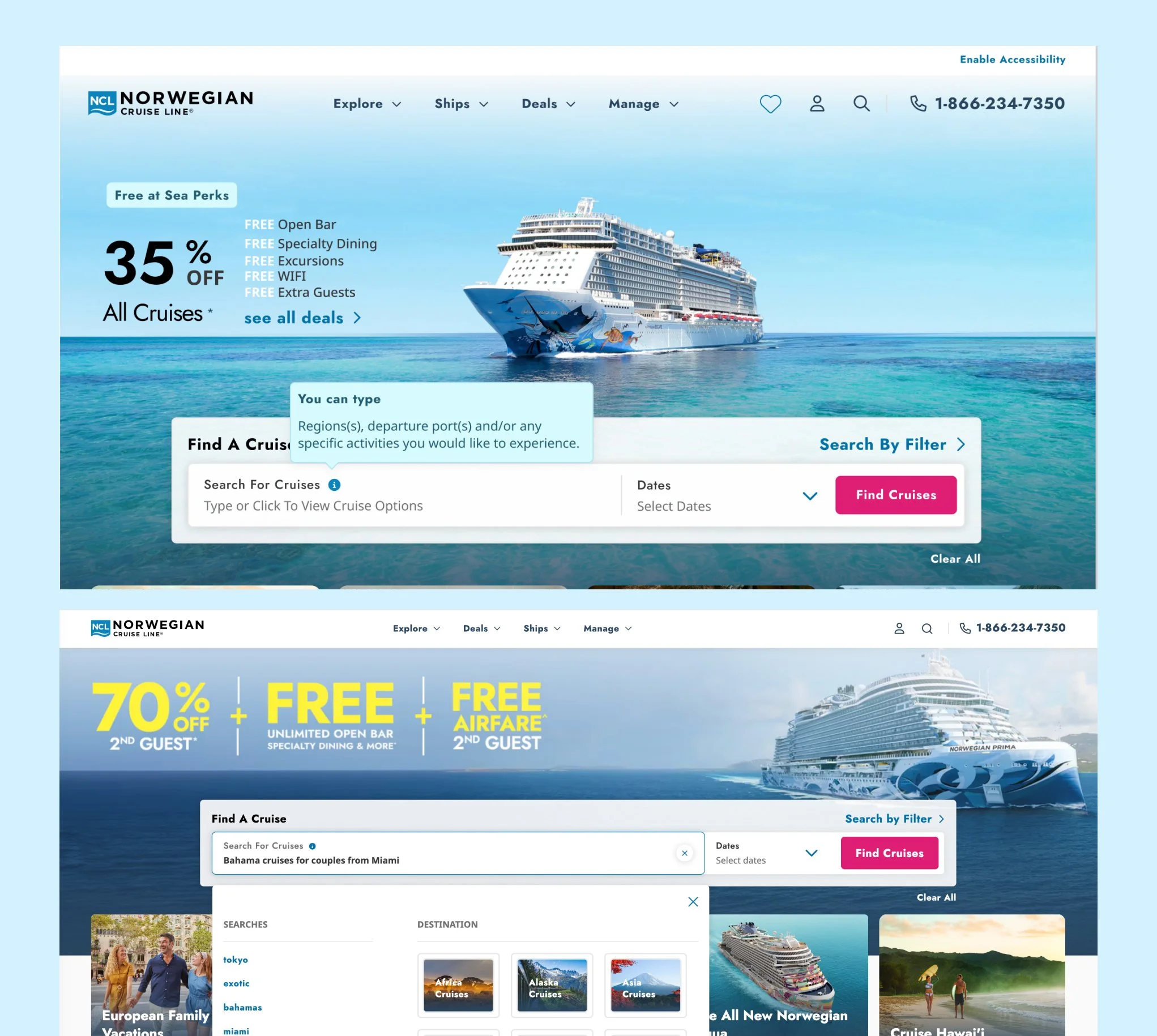
Multi Dimensional Search
Pain point to solve: Users want to find their perfect vacations by searching within criteria that match their needs.
- New natural language search: personalization
- Train users in new ways of search
- Personalized, pre-populated, themed-based options that inspire users on their vacations.
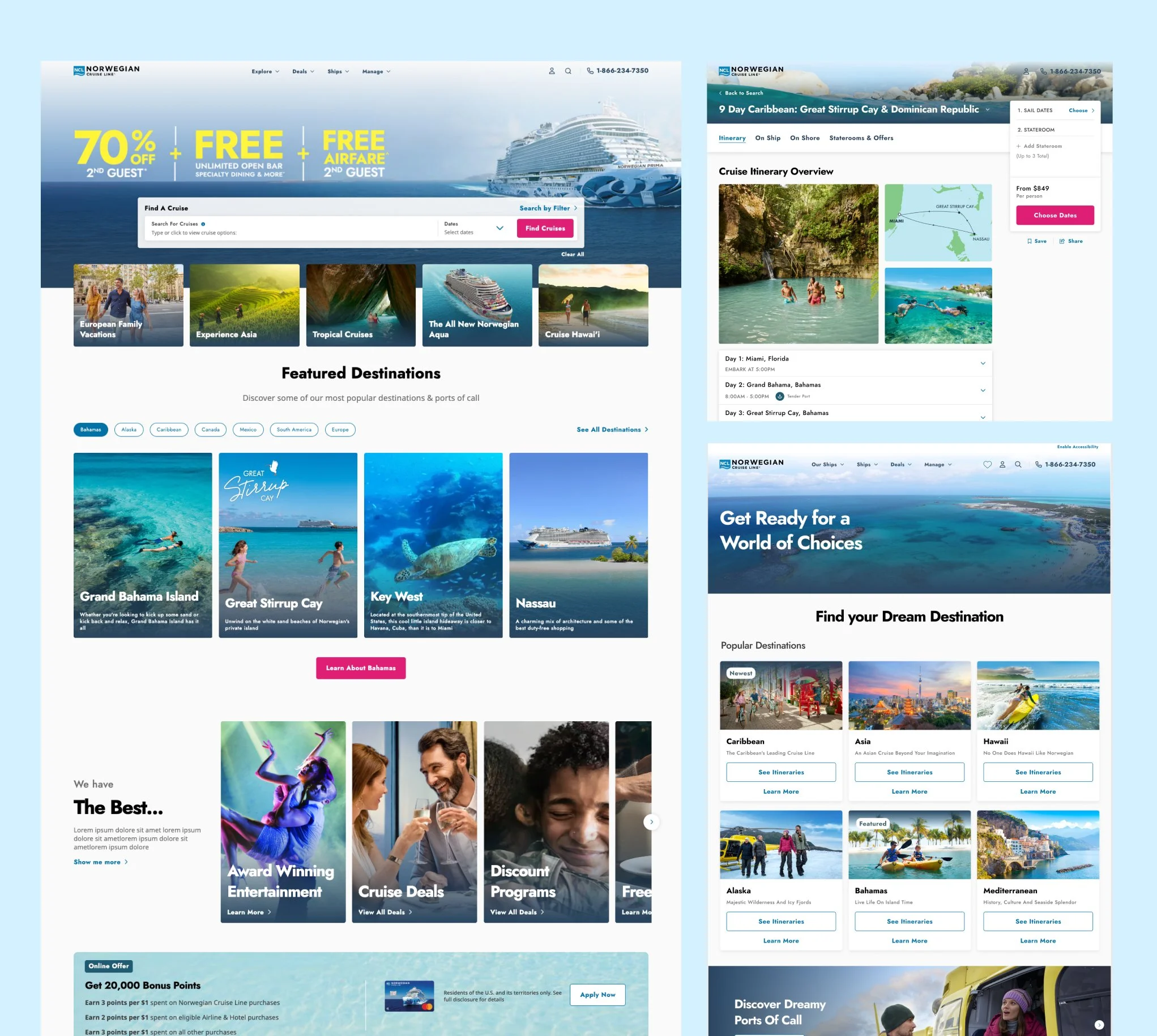
Brand Value & Experience Content
Pain point to solve: Educate guests about what NCL offers and what makes it different.
- Improved Immersive experience, by adding GIFs, big images & videos to grasp the experience while cruising.
- Present the value and uniqueness of the NCL experience
- Reduce the amount of content by bringing only what matters to guests.
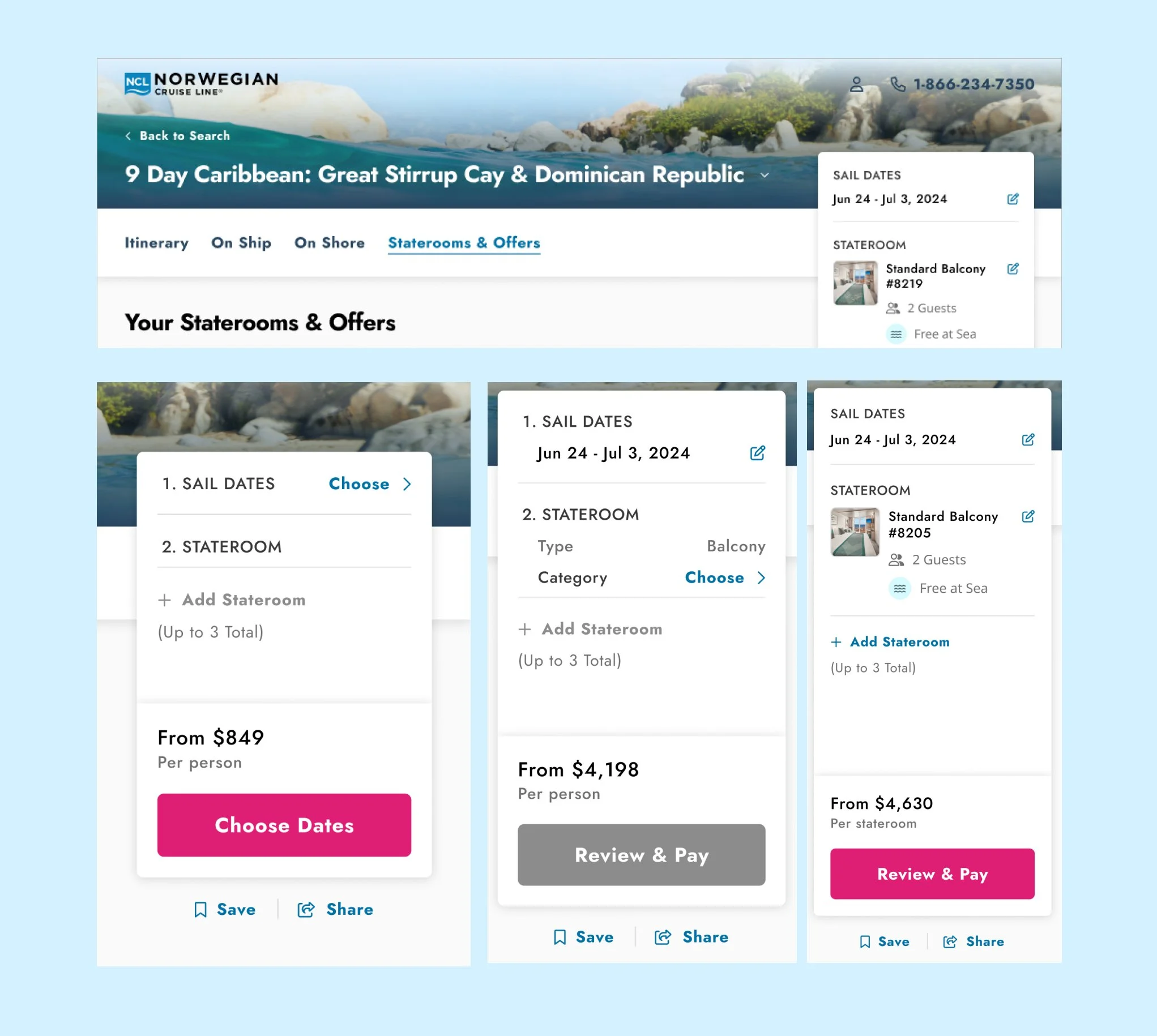
Guiding Guests
Problems to solve: Cruises have a lot of details for guests to digest. How can guests learn and make decisions faster?
New selectable Tabs: for the user to learn about their entire vacation by sections: itinerary, on ship, on shore, rooms & offers.
New Side Widget: with clear steps for users to follow to book their cruise.
Cruises have meta room categories and sub-categories to select a room, that’s why with clear steps users can understand the 2-step process or add more rooms if needed.
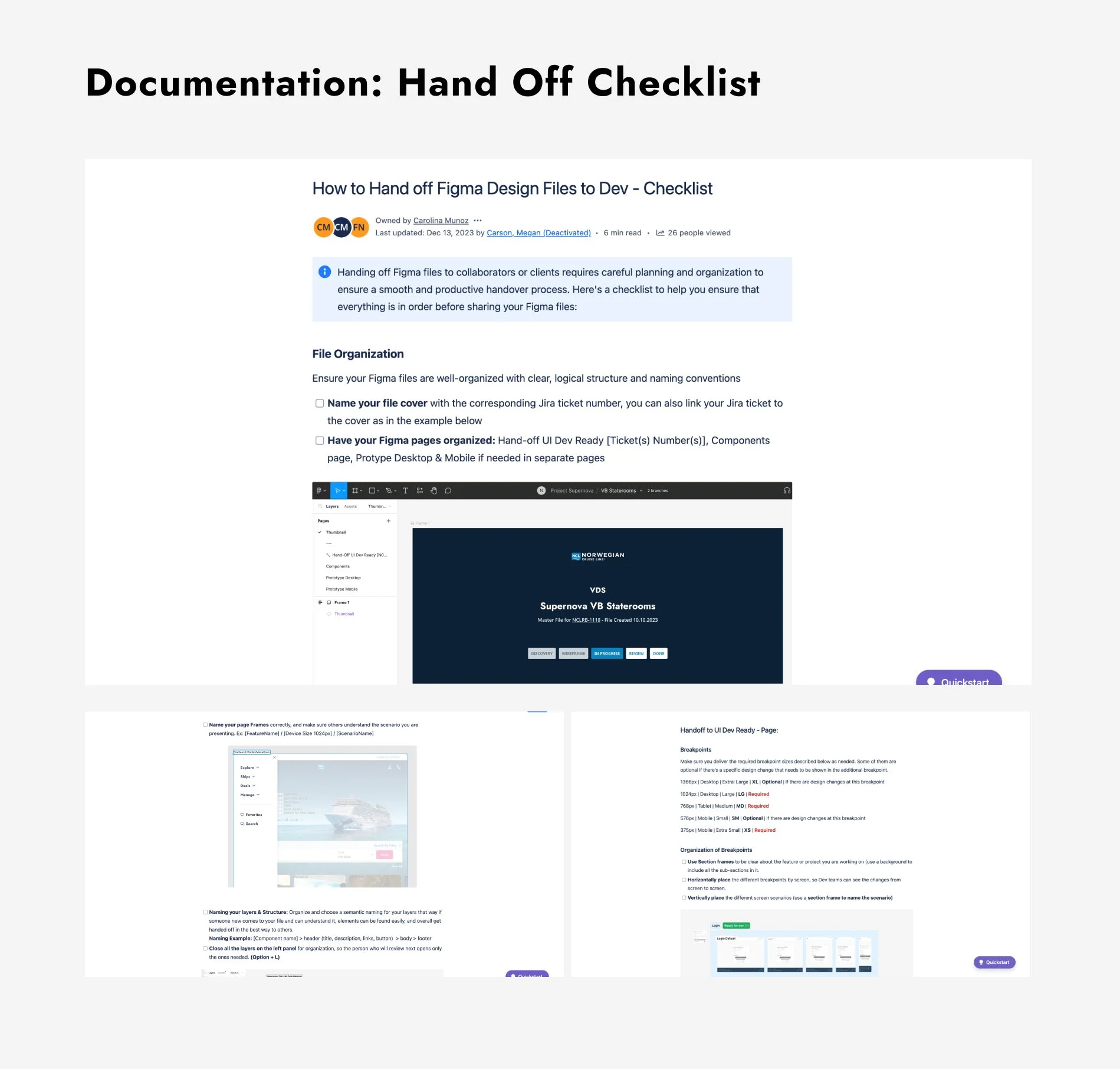
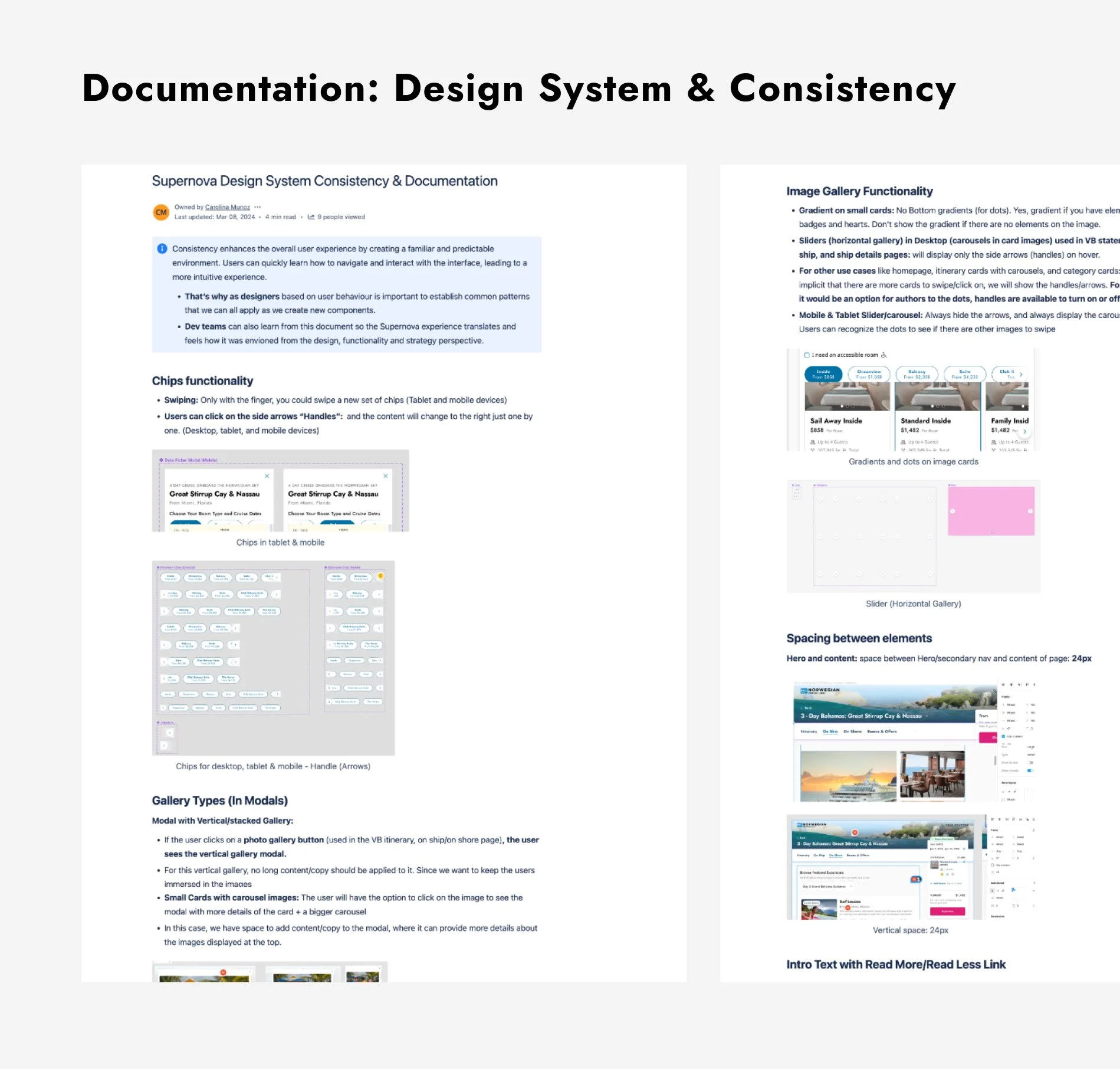
Establishing rules for consistency is crucial for product design teams as it ensures that all team members are aligned in their approaches and understand the objectives clearly. These tools not only streamline the design process but also facilitate collaboration and communication among team members. By providing a clear framework, designers can focus on creativity and innovation while maintaining the quality and integrity of the product. Consistent practices ultimately lead to more efficient workflows and a cohesive user experience, which is vital for the success of any project.
Resources & Ways of Working for design teams
Live Website Here